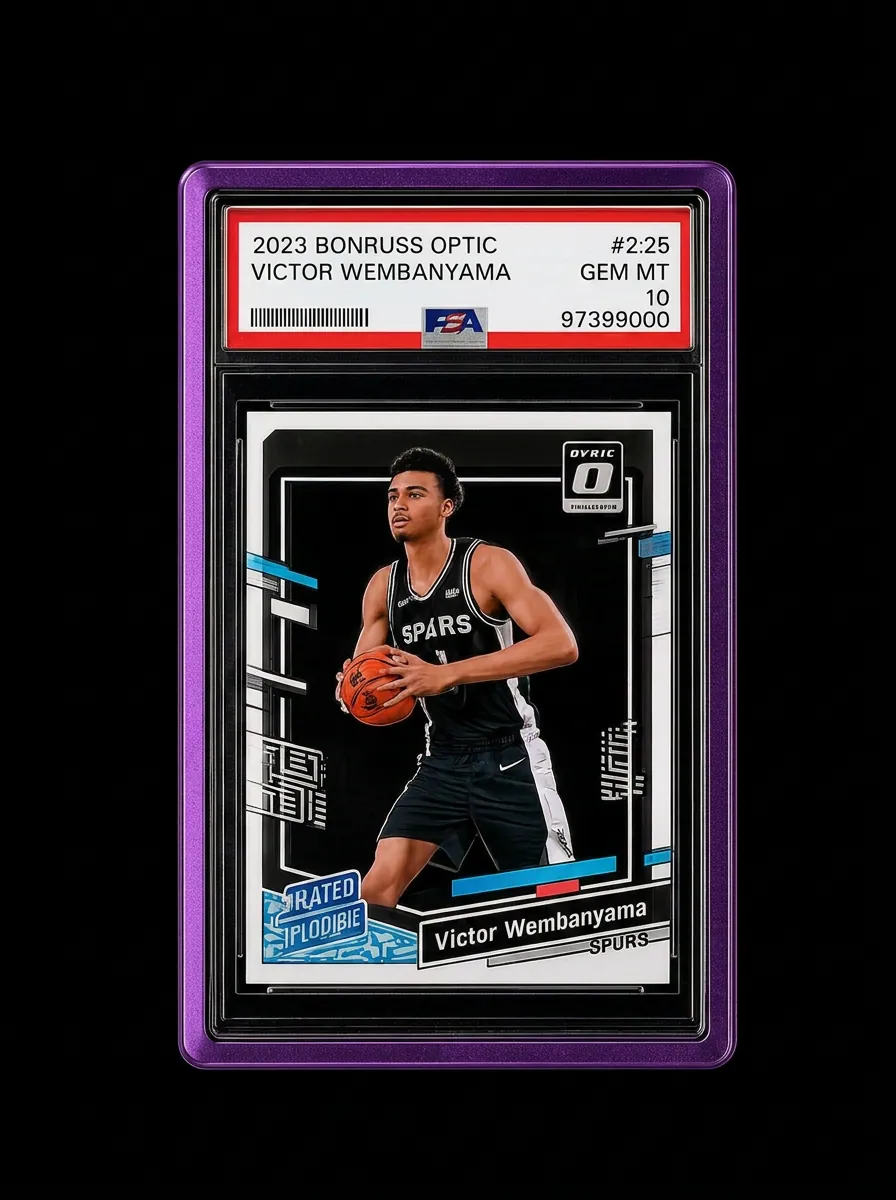
Why Thousands Of Graded Card Slabs Are Being Silently Damaged By The Very Cases Protecting Them
If your PSA, BGS, or CGC slabs are sitting in standard acrylic cases right now what you're about to read will change how you look at your shelf tonight.
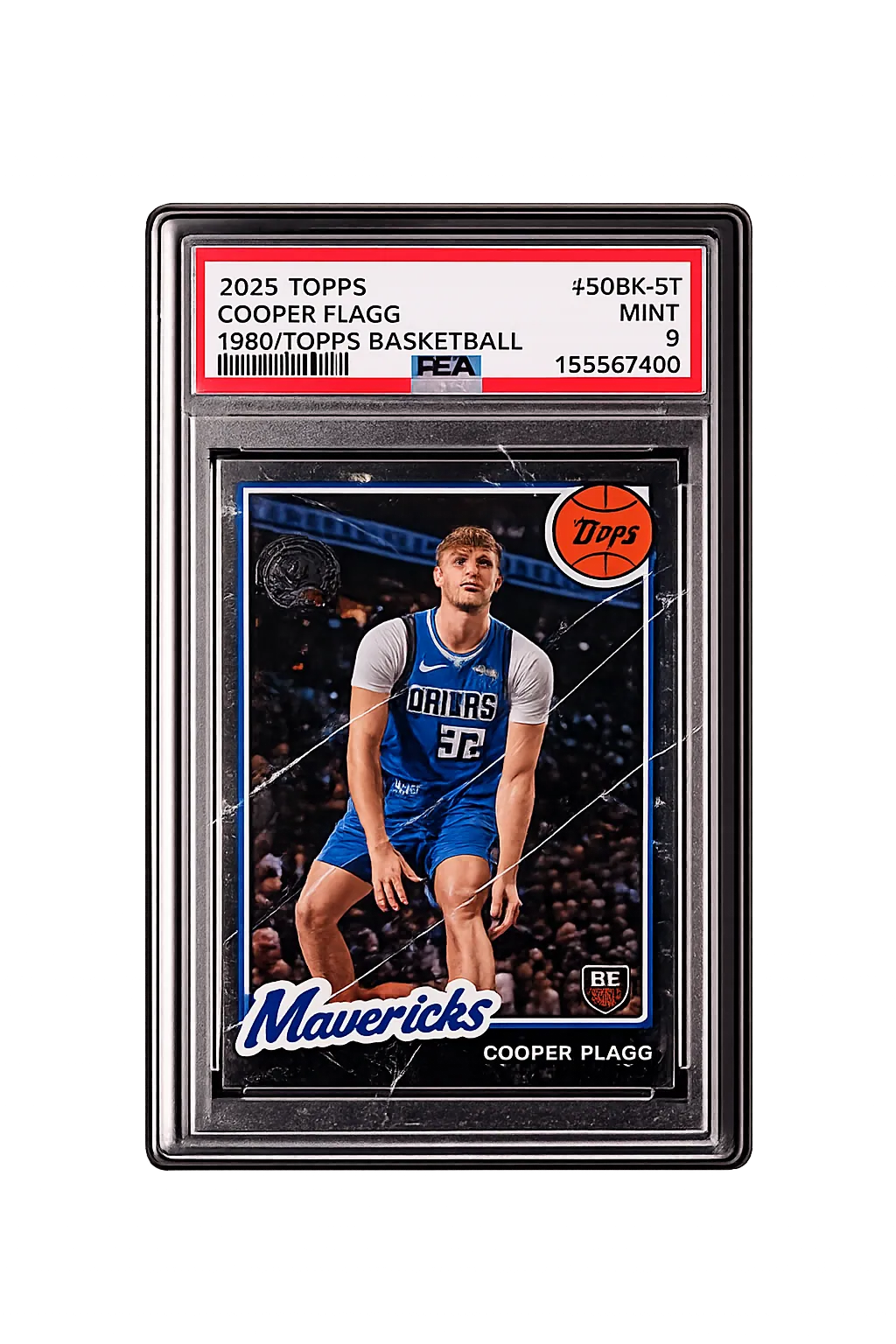
You spend weeks tracking the right card. You pay the grading fee. You wait months for it to come back. You open the package, check the label, and feel that specific satisfaction of a number you earned.
Then you put it in a case and forget about it.
That's where the problem starts.
The Hidden Mechanism Destroying Your Collection
Every standard acrylic slab case on the market the kind that comes in bulk packs on Amazon, the kind that virtually every collector uses without questioning has a raised interior ridge built into the mold.
That ridge is how the case holds your slab in position.
It does that by pressing directly against the face of your slab.
That ridge is making micro-contact with the surface of your slab every single day.
You can't see it. You can't feel it. You won't know it happened until one night you hold your most valuable card up to a strong light at exactly the right angle.
And see something that makes your stomach drop.
From a case that cost less than your morning coffee.
This isn't bad luck. This is a design flaw nobody warned you about.
Every standard acrylic case was built to organize cards not to protect them. The interior ridge that causes this damage is a manufacturing default. And it's been making contact with your slab face every single day you've owned it.
Why The Card Industry Never Fixed This
The grading companies make money on reholders.
PSA charges $12.99 per card to fix a scratched slab. With tens of millions of cards graded every year, there is no financial incentive at the industry level to solve the storage problem.
The case manufacturers make money on volume. Generic acrylic by the thousands costs pennies per unit.
Nobody profits from telling you that the case you already bought is slowly destroying the investment you paid hundreds of dollars to protect.
So nobody told you.
Until now.